


Utilizing IGBT inverter technology, it achieves an efficiency of over 90%, delivering energy savings of 10%–20%. The power factor is ≥0.95, and the system supports automatic frequency tracking and closed-loop control.

One 200kW WPS unit, one 20T closed-type cooling tower, one automatic feeder, and one 200kW WPS induction heating device

Utilizing IGBT inverter technology, it achieves an efficiency of over 90%, delivering energy savings of 10%–20%. The power factor is ≥0.95, and the system supports automatic frequency tracking and closed-loop control.

The piston rod tempering line is the core heat treatment production facility that ensures the mechanical performance of piston rods, catering to manufacturing needs in hydraulic and pneumatic applications. It imparts balanced strength and toughness to the final product. Targeting forged and rolled piston rod billets, the process begins with medium-frequency induction heating to reach quenching temperature, followed by rapid cooling—either through water or oil quenching—to harden the material. Finally, the parts undergo controlled-temperature tempering to relieve internal stresses and stabilize the microstructure.

The sucker rod tempering line is a critical heat treatment production system designed to enhance the core mechanical performance of sucker rods—specifically tailored for oilfield applications. By precisely controlling temperature and optimizing processing parameters in tandem, this line imparts exceptional strength, toughness, and fatigue resistance to the final product.

The sucker rod forging line is a specialized manufacturing production system for core petroleum extraction components—sucker rods—integrating metal heating, forging, precision machining, and quality inspection into a single, seamless process. This equipment cluster plays a critical role in ensuring the mechanical performance and extended service life of sucker rods. The production line starts with round steel as its raw material; after being heated to forging temperature via medium-frequency induction, the material undergoes CNC-controlled forging to shape the rod heads. Following this, the material is further strengthened through tempering heat treatment, before proceeding with complementary processes such as straightening and threading.


Model: WZP-160 Voltage: 380V ±10%, 50–60 Hz Current: 6–160 A Power: 10–85 kW


Model: 20KW - 100K, 200K, 400K Voltage: 380V ±10%, 50-60Hz Current: 10-60A

Model: 30KW - 100K, 200K, 400K Voltage: 380V ±10%, 50-60Hz Current: 10-60A
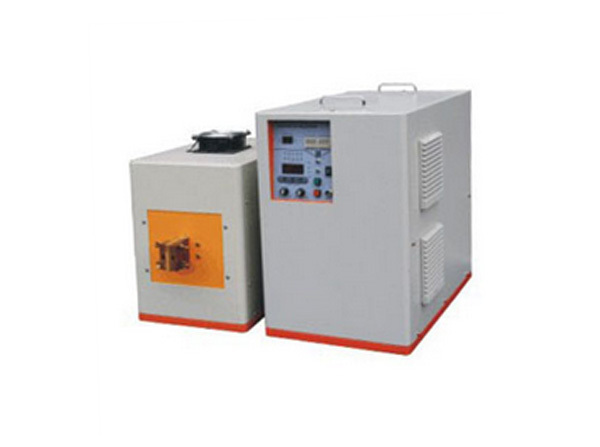
Model: 40KW - 100K, 200K, 400K Voltage: 380V ±10%, 50-60Hz Current: 10-60A